Key Takeaways
A clear maintenance routine helps you protect your property, plan costs, and respond to problems before they grow. The right approach depends on the building, its use, and how often you can be on site.
- Schedule inspections around the property’s age, materials, and seasonal needs.
- Keep routine upkeep separate from larger repairs when planning your budget.
- Agree on response times, approval limits, and reporting before work begins.
- Record completed work, warranties, and recurring issues in one place.
- If you live abroad, arrange local access and a plan for urgent decisions.
What property maintenance management covers
Property maintenance management in Limassol is the ongoing work of keeping a home or building safe, usable, and in good condition. It can include inspections, minor repairs, shared-area care, and arranging specialist trades when needed. A useful plan makes clear who notices a problem, who decides what to do, and how the work is checked afterward.
Routine inspections and repairs
Regular inspections help you spot small defects before they become disruptive or expensive. Check areas such as roofs, windows, plumbing, electrical fixtures, and visible signs of damp, while tailoring the frequency to the building and its history. Keep a record of what you find so you can tell whether a crack, leak, or equipment fault is new or recurring.
When repairs are needed, agree on the scope before work starts and confirm what counts as an urgent issue. BERKOS provides after-sales support and long-term property management, which can give owners a continuing point of contact after handover. The practical value of any arrangement depends on the scope and responsibilities agreed for your property.
Cleaning, landscaping, and shared-area upkeep
Clean entrances, stairwells, lifts, paths, and outdoor areas make a property more comfortable and help reveal issues that might otherwise go unnoticed. If you have a garden or shared facilities, set a realistic routine for watering, pruning, cleaning, and checking equipment. Consistency matters more than a lengthy task list that nobody follows.
For a building with shared spaces, clarify which costs and duties belong to the owner, the residents, or the building’s management arrangement. That distinction can prevent missed tasks and disputes over invoices. A simple calendar also helps you see whether seasonal work is being completed at the right time.
Coordinating contractors and tenant requests
Maintenance often involves several people: an owner, a tenant, a site contact, and one or more specialist trades. Give tenants a straightforward way to report faults, and ask for the location, a description, and photos when useful. Then record the response, the person assigned, and whether the repair resolved the issue.
How Limassol’s conditions affect maintenance
Limassol’s coastal setting and long periods of strong sun can influence how quickly exterior finishes and outdoor equipment need attention. Your property’s exposure, materials, orientation, and level of occupancy all affect the maintenance routine. A practical plan responds to the actual building rather than relying on a generic calendar.
Protecting buildings from coastal air and humidity
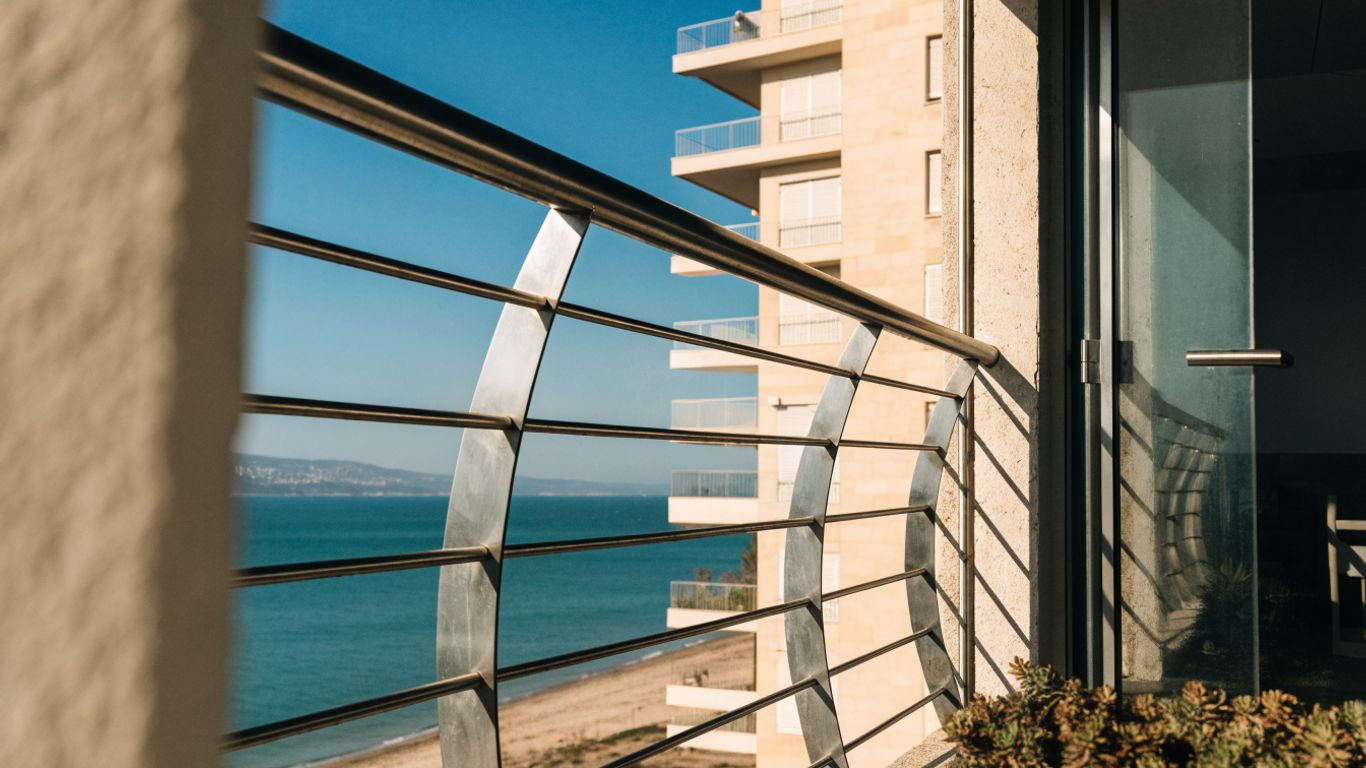
Coastal air and humidity make it sensible to inspect metal fittings, exterior fixtures, seals, and areas where moisture can collect. Look for corrosion, peeling finishes, swollen materials, and signs of water entry, especially after periods when the property has been closed. Early attention can help you understand whether a surface issue is isolated or part of a wider problem.
The appropriate response depends on the material and cause, so avoid treating every mark or patch of damp as the same kind of defect. Note where it appears, when it was first seen, and whether it changes after rain or ventilation. That record helps a qualified contractor assess the issue more clearly.
Planning for heat, sun exposure, and seasonal weather
Strong sunlight and heat can put wear on exterior paint, shading, seals, and equipment exposed outdoors. Inspect these areas periodically and check that doors and windows close properly. Seasonal weather can also bring short periods of heavier rain, making clear drains and sound seals worth checking before wetter months.
A schedule should account for how the property is used. A home occupied year-round may need frequent checks of everyday systems, while a home used occasionally may benefit from a visit before and after each period of occupancy. Either way, avoid waiting until a tenant or guest reports an obvious failure.
Maintaining pools, gardens, and outdoor spaces
Pools, planted areas, terraces, and balconies each have different upkeep needs. Make sure someone is assigned to check cleanliness, irrigation, drainage, and visible wear on outdoor surfaces. If the property is vacant for stretches, plan visits rather than assuming that equipment or plants will remain in good condition without attention.
A short video can help you think through how outdoor maintenance fits into a broader property routine.
Use it as general background, then adapt the schedule to your property’s equipment, materials, and use. Keep a note of recurring tasks so seasonal upkeep does not depend on memory alone.
How to choose a property maintenance provider
The right provider is one whose service scope matches your building and whose responsibilities are clear before work begins. Compare what is included, which tasks rely on specialist contractors, and how additional work is approved. If you are based outside Cyprus, also consider how the provider will keep you informed when you cannot visit in person.
Comparing local knowledge and service coverage
Ask whether the provider can cover the property’s location and the kinds of work it is likely to need. A company may handle routine coordination but rely on specialist trades for particular repairs, so ask how those jobs are arranged. Confirm whether service is available for your property type and whether routine visits are part of the proposed arrangement.
BERKOS is based in Limassol and describes a process that connects planning, construction management, handover, after-sales support, and long-term property management. That combination may be relevant if you are considering support that continues beyond construction. Check the actual scope offered for your property rather than assuming every service is included.
Checking references, insurance, and contractor standards
Before agreeing to ongoing work, ask for references relevant to your type of property and confirm that appropriate insurance is in place. For specialist work, clarify who will carry it out and what standards or qualifications apply. These checks are particularly useful when a provider coordinates work through subcontractor partners.
Ask how estimates, invoices, and changes to the agreed scope will be documented. A clear written process makes it easier to compare proposals and understand what you are paying for. It also gives you a record to refer to if a repair needs follow-up.
Assessing response times and emergency support
A provider’s response process matters most when a leak, power issue, or access problem cannot wait for the next routine visit. Ask how requests are received, what counts as an emergency, and whether someone can attend outside ordinary working hours. Make sure you understand the difference between acknowledging a report and completing the repair.
A useful service arrangement sets expectations without promising that every issue can be resolved immediately. Ask who will update you, how access is arranged, and what happens if the first contractor is unavailable. Those details can prevent confusion during a stressful repair.
How to budget for ongoing maintenance
A maintenance budget should cover predictable upkeep as well as less frequent repairs. Costs vary with property size, age, equipment, materials, and occupancy, so a single estimate is rarely useful for every owner. Start with recent invoices and known upcoming work, then adjust the plan as you learn more about the building.
Separating routine costs from major repairs
The categories below can help you organize estimates, but the amounts should come from your property’s history and current quotes rather than a generic rule.
| Cost category | Examples | How to plan |
|---|---|---|
| Routine upkeep | Cleaning, garden care, recurring checks | Set a regular budget from current quotes |
| Minor repairs | Small leaks, hardware, touch-up work | Review past invoices and recurring faults |
| Major repairs | Roof, exterior, or system replacement | Obtain inspections and project estimates |
| Emergency work | Urgent leaks or equipment failures | Keep a separate reserve available |
Review these categories at least annually and update them after substantial work. Separating routine costs from major repairs can make it easier to explain changes to co-owners or tenants and to spot areas that need closer attention.
Comparing fixed-fee and pay-as-needed arrangements
A fixed fee can make recurring work easier to budget, while pay-as-needed arrangements may suit properties with fewer regular tasks. Compare the actual scope, exclusions, visit frequency, and charges for additional work rather than relying on the fee alone. Ask how price changes are handled if your needs or the condition of the property change.
BERKOS offers long-term property management as part of its continuing property support; the specific service scope should be confirmed directly for your property. In any arrangement, put the agreed duties and approval process in writing. That gives you a clearer basis for comparing a recurring fee with separate work orders.
Setting aside a reserve for unexpected work
Even a well-maintained property can develop a fault that could not be predicted during a routine inspection. Set aside a reserve that reflects the building’s age, condition, and equipment, and revisit it as you receive new inspection findings. A reserve is not a substitute for routine upkeep; it gives you room to respond when a larger repair cannot wait.
Decide in advance who can authorize urgent work and up to what amount. That decision is especially helpful if you share ownership or live abroad, because it prevents avoidable delays while everyone seeks approval.
How to build a proactive maintenance plan
A proactive plan turns observations into scheduled work and keeps responsibilities visible. Begin with the property’s systems, materials, and occupancy pattern, then set inspection intervals that are realistic to maintain. The plan should be easy to update when repairs reveal new information.
Creating an inspection schedule by property type
A detached home, an apartment, and a building with shared facilities will not need identical inspection routines. List the areas and systems that apply to your property, then assign a frequency based on condition, exposure, manufacturer guidance, and how often people use the space. Review the schedule after seasonal changes or significant repairs.
A short task list can make the plan easier to put into practice. For example, you might group checks by timing rather than asking one person to remember every item throughout the year:
- Check for visible leaks and moisture after heavy rain.
- Inspect exterior finishes and exposed fittings periodically.
- Test commonly used fixtures and equipment during routine visits.
- Review shared spaces and outdoor areas on a regular schedule.
Adapt each item to the property and arrange qualified inspections where a specialist assessment is needed. Once the schedule is in use, you can adjust it according to what inspections actually find.
Prioritizing repairs by urgency and risk
Not every defect requires the same response. A fault that threatens safety, allows water to enter, or affects essential services generally needs prompt attention; cosmetic wear may be scheduled for a later visit. Consider the potential damage, the people affected, and whether the problem is worsening.
Write down why a repair is urgent and who is responsible for the next step. This avoids treating every request as an emergency while still making sure serious problems are not buried in a queue. If you are unsure about risk, ask a qualified professional to assess it.
Tracking work orders, warranties, and maintenance history
A central record helps you see what has been reported, what was approved, and whether the work is complete. Keep estimates, invoices, inspection notes, warranty details, and relevant photos together. When a recurring issue appears, the history can help you decide whether a repair has solved the underlying cause.
Choose a format that you and anyone supporting the property can access. Add dates and short notes rather than relying on long narratives, and mark unresolved items clearly. A consistent record also makes future budgeting and handovers more straightforward.
How to manage maintenance from abroad
Managing a property remotely depends on clear instructions and reliable documentation. You may not be able to inspect a reported issue yourself, so agree on how information will reach you and when you need to make a decision. A local contact can help with access, but the scope of that role should be clear.
Setting clear approval limits and communication channels
Choose one main communication channel for routine requests and agree on a separate route for urgent problems. Set an approval limit for work that can proceed without contacting you, and define what information is needed for larger expenses. Be specific about time zones and expected response windows so a request does not sit unanswered.
If several people can approve work, name who has final authority. Clear roles help contractors avoid repeated calls and give you a more reliable record of decisions. Revisit the limits if your budget or circumstances change.
Reviewing photos, reports, and completed work
Photos can show the location and visible condition of a defect, while a short written report can explain what was checked and what remains uncertain. For more involved work, request an estimate before approval and a completion update afterward. Ask for invoices and any relevant warranty information to be stored with the maintenance record.
Good reporting is useful, but it does not replace an in-person assessment where a problem needs technical diagnosis. If the evidence is unclear, ask follow-up questions or arrange a qualified inspection before approving a substantial repair. This helps you make decisions with a better understanding of the work.
Preparing for urgent repairs when owners are unavailable
Before travel or a period of limited availability, give your local contact the emergency numbers, access instructions, and approval limits they may need. Decide who can respond if you cannot be reached and what kinds of work can proceed to prevent further damage. Make sure the relevant people know where shutoffs or essential equipment are located, where appropriate.
BERKOS connects construction management and handover with after-sales support and long-term property management, a process that can be relevant when you want continuity after a project is completed. Confirm in advance who handles urgent requests and what the arrangement covers. Preparation gives a local contact direction without removing your oversight.
Conclusion
Good property maintenance is built from steady inspections, clear responsibility, realistic budgeting, and records you can rely on. Whether you live nearby or manage the property from abroad, a plan tailored to the building helps you respond with less uncertainty and keep small issues from becoming harder to manage.
Frequently Asked Questions
How often should you inspect a property in Limassol?
There is no single schedule for every property. Consider its age, condition, materials, occupancy, and exposure, then set routine checks and review the timing when inspections uncover recurring issues.
What should a routine property inspection cover?
A routine inspection can include visible checks of plumbing, windows, doors, exterior finishes, shared areas, and equipment. The exact scope depends on the property, and specialist systems may need qualified inspections.
How should you handle an urgent maintenance issue?
Report the issue through the agreed channel, describe its location and impact, and share photos if they help. Follow the property’s emergency procedure and contact a qualified professional when needed.
What should you ask a maintenance provider before hiring them?
Ask what work is included, how additional work is priced, who carries out specialist repairs, what insurance applies, and how requests and completion updates are handled. Get responsibilities and approval limits in writing.
How can you budget for property maintenance?
Separate predictable upkeep from minor repairs, major projects, and emergency work. Use the property’s history and current estimates to set a budget, then review it as the building’s condition changes.
How can you manage repairs when you live abroad?
Agree on a local contact, access arrangements, communication channels, approval limits, and an emergency process. Request written updates and keep estimates, photos, invoices, and completion notes in one record.
Should routine maintenance and major repairs share one budget?
They can sit within an overall property budget, but keeping them as separate categories makes spending easier to understand. It also helps you plan for large repairs without losing sight of regular upkeep.
BERKOS Team
BERKOS is an integrated real estate group in Limassol, Cyprus, covering development, construction, property management and the legal and financial work around them.