
1. Skipping independent checks on title deeds and ownership
A property can look straightforward on a viewing and still have questions that only a records check can answer. Before you commit, ask an independent lawyer to confirm who owns it, what rights are attached to it, and whether the documents match the property being sold. When you are buying property in cyprus, do not treat a seller’s assurances or a brochure as a substitute for that review.
Ask your lawyer to explain any unclear entries or ownership arrangements in plain language. If something is incomplete, inconsistent, or difficult to verify, pause and find out what it means before signing or paying more. A careful check now can help you avoid disputes that are much harder to resolve after a purchase.
You can also use a guide to buying property as a non-resident to prepare questions about the process if you are purchasing from abroad. Treat general guidance as a starting point, though, not as an assessment of a particular home or its legal documents. Your own lawyer should review the specific records and advise you on the next step.
2. Relying on the seller’s or developer’s lawyer
The lawyer acting for a seller or developer may be experienced, but their role is not the same as independent advice for you. Choose a lawyer who represents your interests, explains the documents before you sign, and is available to answer questions directly. That independence matters most when a deadline or deposit is putting pressure on your decision.
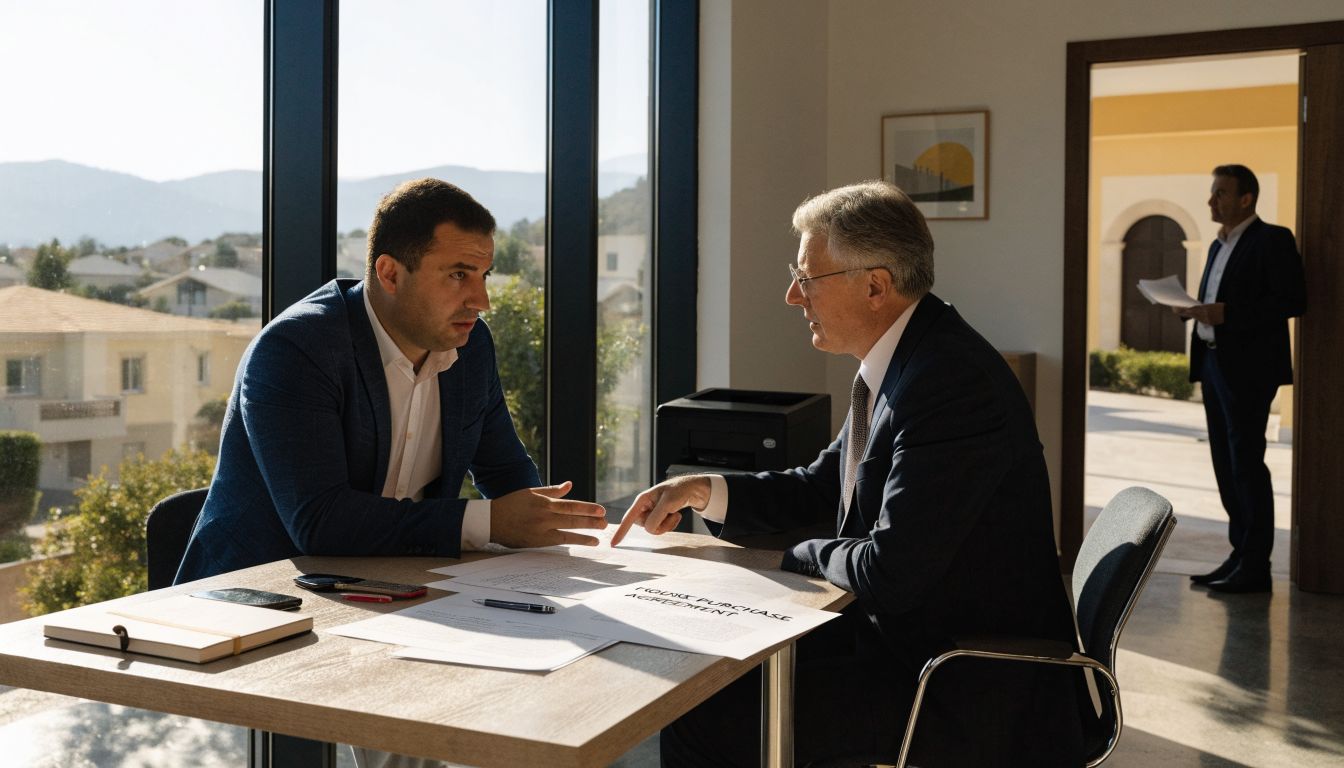
Ask who will review the purchase agreement, explain the payment terms, and raise issues that could affect your ownership. BERKOS coordinates planning, engineering, construction management and handover; that project role does not replace independent legal advice. Keep the distinction clear, even when a developer’s team is helpful and responsive.
Before proceeding, make sure you know whom to contact at each stage and what they are responsible for. Get explanations of unfamiliar clauses in writing, and do not sign simply because another party says a term is standard. You should understand the commitments you are making and have time to consider them.
3. Underestimating taxes, fees, and ongoing costs
The asking price is only one part of your budget. Depending on the purchase and your circumstances, you may also need to account for transaction costs, professional advice, insurance, utilities, maintenance, and any recurring property charges. Ask qualified local advisers to identify which costs apply to your situation rather than relying on a rough estimate.
A simple cost map can keep one-off expenses separate from costs that continue after handover. The exact amounts and categories should be confirmed for the specific property and transaction.
Cost area | What to clarify |
|---|---|
Purchase and transaction | Which taxes or charges apply, and when are they due? |
Professional support | What legal, surveying, or other advisory fees are expected? |
Setup and services | What will utilities, insurance, and initial setup involve? |
Ongoing ownership | What recurring maintenance or management costs should you plan for? |
BERKOS provides after-sales support and long-term property management, so ask what support is available for a particular property and what is covered. Do not assume a service is included in the purchase price; confirm its scope and any associated fees. A written budget with one-time and recurring items gives you a more useful view of affordability.
4. Buying without checking planning permits and property condition
A new-looking finish does not tell you whether the property’s paperwork and physical condition have both been checked. Ask an independent professional to inspect the home and review relevant planning and construction documents before you commit. The right checks depend on the property, so establish the scope with your lawyer and technical adviser.
For a practical review, make sure someone qualified is looking at both documents and the building itself. Useful questions to raise include:
Do the available permits and plans correspond to the property you are buying?
Are there visible defects or areas that need further inspection?
What repairs, maintenance, or completion work may be required?
Which documents or confirmations remain outstanding before handover?
BERKOS coordinates planning, engineering and construction management, with specialist trades carried out by trusted subcontractor partners. That documented project coordination may help you understand who handles project stages, but it is not a substitute for an independent inspection or your own legal review. Ask for any concerns and agreed follow-up actions to be recorded clearly.
5. Overlooking legal risks tied to the property’s location
A property’s location can affect more than its view or travel time. Before buying, ask your lawyer and relevant local professionals to check the rules, records, access arrangements, and other location-specific matters that could affect your intended use. Avoid assuming that a familiar neighborhood or nearby development tells you everything you need to know.
If you are buying remotely, arrange a visit where practical or ask a trusted professional to verify what you cannot assess yourself. Confirm the route to the property, available services, and any restrictions or obligations connected to the site. Ask specific questions about anything that could affect access, occupation, renovation, or future plans.
A location review should be specific to the home, not based only on general impressions of the area. Keep written records of the questions raised, the responses received, and any issue that still needs checking. If an answer is uncertain, get qualified advice before you proceed rather than treating uncertainty as a minor detail.
Anna Georgiou
Head of Client Relations
BERKOS is an integrated real estate group in Limassol, Cyprus, covering development, construction, property management and the legal and financial work around them.